 (+035) 527-1710-70
 NEWSLETTER

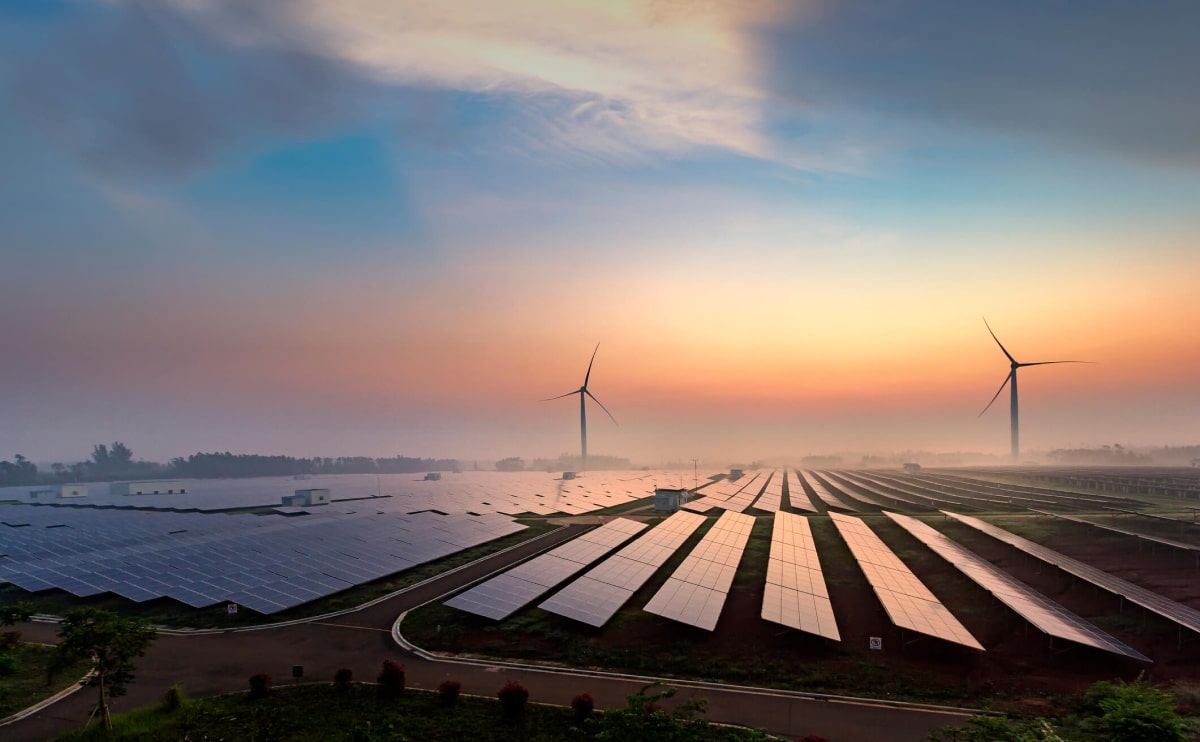
Solar Energy: An Overview
With the growing threat of climate change due to the excessive release of carbon emissions, many nations are looking to clean energy alternatives to replace traditional fossil fuels.
Of all the clean energy alternatives, solar has arguably been the most expensive though prices have been declining. However, after considering the pros and cons along with the expectation that prices will continue to decline, the future of solar energy is looking rather bright.1
The pros of solar energy include that it is a sustainable alternative to fossil fuels and has a low impact on the environment and the potential for any country to produce it. The cons are that it only produces energy when the sun is shining, needs a significant amount of land, and that certain solar technologies require rare materials.
KEY TAKEAWAYS
- Solar energy is becoming an increasingly cost-competitive alternative to fossil fuels.
- Solar energy is a sustainable energy source, has a low environmental impact, and promotes energy independence.
- On the other hand, it is limited by how long the sun is out, may cause a scarcity of materials, and contains hazardous materials similar to electronics.
- Pricey disadvantages of solar energy may be rendered negligible by technological advances that increase efficiency and storage capacity.
- Increasing the incentives for the development of solar energy may be worthwhile.
The Advantages of Solar Energy
Sustainability
The advantage of solar energy is that it is a sustainable alternative to fossil fuels. While fossil fuels have an expiration date that may be fast approaching, the sun is likely to be around for at least a few billion years.
Low Environmental Impact
Solar energy has a substantially reduced impact on the environment compared to fossil fuels. Its greenhouse gas emissions are inconsequential as the technology does not require any fuel combustion. Also, although concentrating solar thermal plants (CSP) are comparatively inefficient in their water usage depending on the type of technology being used, the right technology significantly increases efficiency while photovoltaic (PV) solar cells do not require any water when generating electricity.2
Solar energy technology is becoming an increasingly cost-competitive alternative to fossil fuels, though it remains somewhat expensive in certain markets.
Energy Independence
Since the sun shines across the globe, it makes every country a potential energy producer, thus allowing for greater energy independence and security. Solar energy doesn’t only promise to bring security and independence at the national level; solar panels can be installed on individual homes, providing power that does not depend on being connected to a larger electrical grid.
